
The Aesthetic Appeal of Bay Windows
Bay windows have long been celebrated for their elegance, architectural significance, and practical advantages. From their historical roots to contemporary applications, these windows continue to shape home design, enhance living spaces, and captivate homeowners and architects alike. Offering both aesthetic charm and functional benefits, bay windows create bright, airy interiors while expanding the sense of space. This guide explores the evolution of bay windows, their integration into architectural styles, material and design considerations, and the many ways they can enhance modern homes.
Historical Evolution and Architectural Significance
The origins of bay windows date back to the English Renaissance period, when they adorned grand mansions and castles as both decorative and strategic elements. Initially, bay windows offered expanded views of the surrounding landscapes and served as symbols of prestige and wealth. Over time, they evolved into various forms, including box, bow, and oriel windows, transitioning from purely functional to ornamental features.
Bay windows reached the height of their popularity during the Victorian era. Known for intricate detailing and structural ingenuity, they became focal points in urban homes, allowing natural light to penetrate otherwise dim interiors. Multifaceted glass panes and elegantly sculpted frames reflected that time's opulence while supporting family-centered spaces ideal for social interaction. Victorian bay windows exemplified the combination of aesthetic appeal and utility—a balance that modern architecture continues to emulate. Their global adaptations are equally notable: Asian designs emphasize privacy while providing expansive street views, Scandinavian interpretations focus on minimalism and light, and Mediterranean homes leverage bay windows for sunlight and outdoor connections.
Cultural symbolism further elevates bay windows. Historically, they represented wealth and sophistication, their large glass panes serving as markers of technological advancement. In art and literature, they symbolize introspection, creativity, and a seamless connection to the outside world. Even today, bay windows embody a blend of tradition and modernity, merging historical charm with contemporary expectations for light, space, and energy efficiency. According to Remodeling Magazine's Cost vs. Value report, replacing windows gave a return on investment of 67.1% of the total project cost, highlighting the lasting economic and aesthetic value of these architectural features.
Design Elements and Functional Advantages
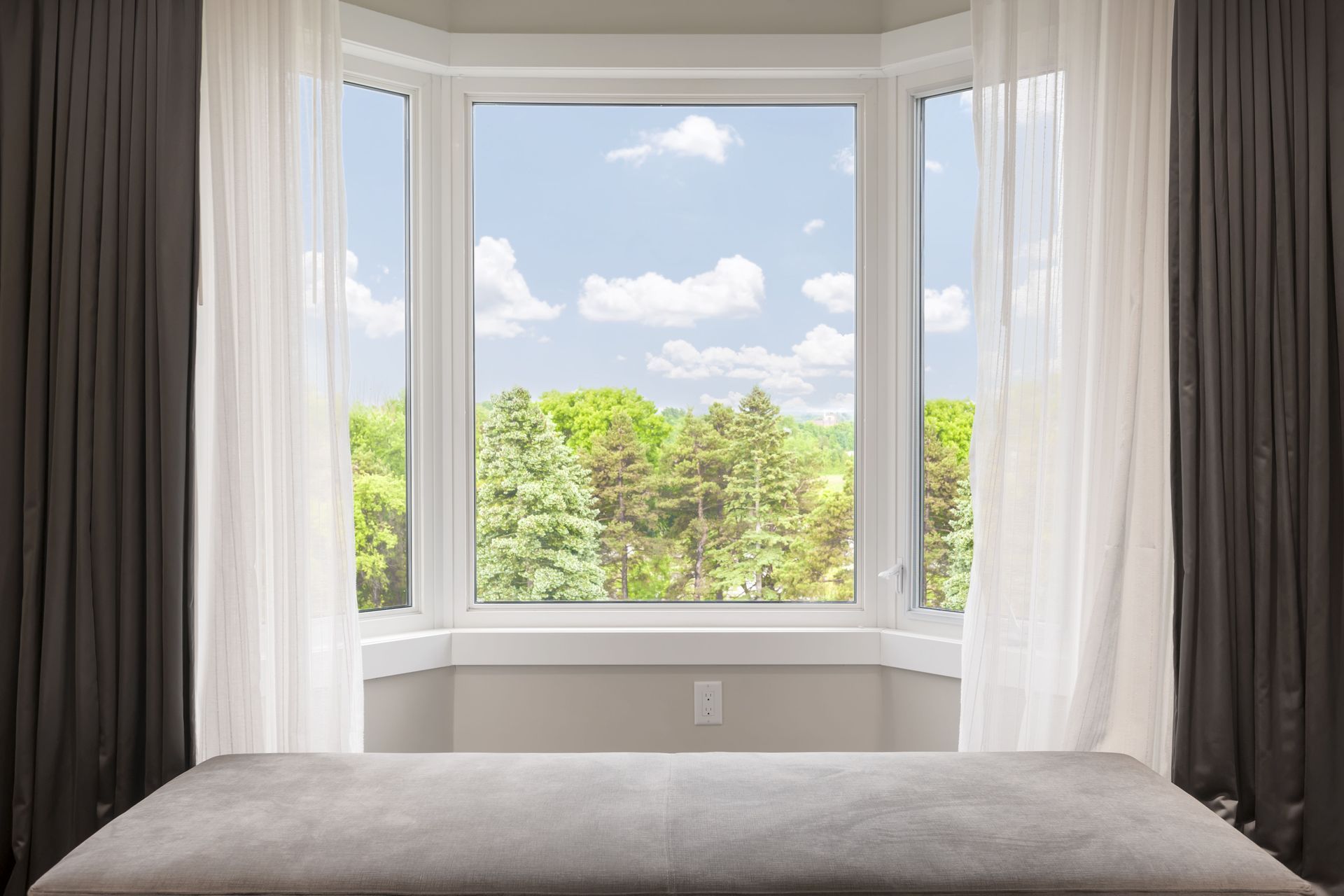
Bay windows are prized not only for their beauty but also for their practical benefits. Their unique structure—angled panels extending outward from the home—enhances both light and space. By creating additional interior space, they allow for versatile uses, from seating areas to storage niches. The configuration of three or more panels can be tailored to architectural style, room size, and desired interior effect, making bay windows adaptable to a wide range of homes. In modern applications, sleek, minimalist designs integrate effortlessly into open-plan layouts, blending tradition with contemporary aesthetics.
Material choice plays a critical role in the performance of bay windows. Traditional wood offers timeless appeal but requires maintenance to prevent decay, whereas modern alternatives like vinyl, aluminum, and fiberglass provide durability and low upkeep. Insulated glass and advanced framing materials enhance energy efficiency, reducing heat loss while minimizing external noise—essential for urban or high-traffic settings. Eco-conscious homeowners can also explore reclaimed or composite materials, combining sustainability with historical design fidelity.
Style variations further contribute to the adaptability of bay windows. Box bays provide structured, angular lines ideal for classic designs, bow windows create sweeping panoramic views, and oriel windows offer elevated perspectives with a blend of privacy and visibility. Modern innovations allow frameless panels for unobstructed views, smart glass technologies, and integrated blinds, providing both functional control and contemporary aesthetics. This design flexibility ensures that bay windows can complement virtually any home while optimizing natural light, airflow, and interior spatial flow.
Integration into home design is another hallmark of successful bay window installations. In renovations, careful attention to exterior finishes and framing ensures cohesion with existing architecture, while in new constructions, bay windows create focal points, redefine room functions, and enhance views. Thoughtful placement maximizes sunlight, facilitates passive solar design, and strengthens connections between indoor and outdoor spaces. Enhancements such as custom seating, storage solutions, and modern glazing further elevate the practical and aesthetic impact of bay windows, increasing both comfort and property value.
Aesthetic and Lifestyle Benefits
One of the most celebrated features of bay windows is their ability to enhance natural light. Their protruding structure and expansive glass surfaces capture sunlight from multiple angles, creating bright, vibrant interiors. This natural illumination not only improves mood and well-being but also reduces reliance on artificial lighting, supporting energy-efficient living. Bay windows also foster a connection to the outdoors, blending indoor comfort with scenic views, which adds to the room's ambiance and sense of openness. Their dynamic interplay with natural light makes them a design element capable of transforming the feel of any space.
Bay windows also contribute to spatial perception, creating the illusion of larger, more open rooms. The outward projection visually extends interiors, while the additional interior space can serve as seating, display areas, or reading nooks. This multifunctional potential enhances the usability and flexibility of living areas, making bay windows a practical solution for smaller or irregularly shaped rooms. Designers often leverage these features to establish focal points, improve traffic flow, and increase the overall perceived square footage, blending utility with elegance seamlessly.
Aesthetic benefits extend beyond lighting and space. Bay windows can dramatically elevate a home's exterior appeal, adding depth, dimension, and architectural interest. Their prominence on facades makes them signature elements in curb appeal, drawing the eye and adding character. Inside, bay windows can define interior décor by creating natural alcoves for furnishings, art, or greenery.
Modern Renovations and Energy Efficiency
Renovating bay windows offers an opportunity to merge traditional charm with modern technology. Upgrades such as double or triple-glazed glass and smart home integrations improve energy efficiency, comfort, and convenience. Materials with low-maintenance finishes reduce upkeep while maintaining visual appeal, allowing homeowners to enjoy classic designs without the typical burdens of aging wood or metal. Expanding or moving bay windows can also maximize natural light, reinforce indoor-outdoor connections, and create multifunctional spaces that reflect contemporary living standards.
Beyond comfort and aesthetics, bay windows have a measurable impact on property value. Strategic renovations emphasizing energy efficiency, visual appeal, and functionality make homes more desirable to buyers looking for an appealing and beautiful home. Aligning with economic insights, these enhancements are a sound investment for homeowners. Bay windows not only provide daily enjoyment and spatial improvements but also serve as long-term assets, enhancing the marketability of any home while offering a strong return on investment.
Bay windows remain enduringly popular because they successfully combine historical elegance, architectural versatility, and practical benefits. From the grandeur of Victorian homes to sleek modern designs, bay windows elevate aesthetics, expand living spaces, and connect interiors to the outdoors. Their adaptability to materials, styles, and functional needs ensures relevance across generations and cultures. By improving natural light, creating spatial illusions, and enhancing property value, bay windows offer homeowners both immediate enjoyment and long-term advantages.
For homeowners considering a home renovation or new construction, investing in well-designed bay windows can transform the living experience while providing lasting value. Contact a professional window installation specialist today at NuView Windows and Doors to explore how
bay windows can brighten your home, expand your space, and add a timeless touch of elegance to your property.




Share On: